When New England's first outdoor drinking district opened on Main Street this past May, every story about it asked the same question: is this going to turn downtown Laconia into a mess. Police Chief Matthew Canfield told public radio reporters he wasn't worried about it, and he was right not to be. That question got answered in about six weeks and then the story mostly stopped there, at least outside the city.
But the more interesting finding came a few weeks later, buried in a follow-up nobody outside city hall paid much attention to. An ordinary Thursday on Main Street looks almost exactly like it did last summer. The social district was never really built to change that night. It was built for a different one, and that night hasn't happened yet.
What Actually Changed on Main Street
The district covers a triangle formed by Main Street, Veterans Square, and Pleasant Street, plus a couple of side streets, Canal Street and Hanover Street, across from City Hall. Inside those boundaries, from noon to 9 p.m. on Thursdays, Fridays, and Saturdays, you can buy a drink at a participating bar or restaurant, walk out the door with it, and finish it on the sidewalk or in front of the next storefront. That's the entire mechanism.
The details are more specific than most people assume:
- Drinks come in marked plastic cups capped at 16 ounces, printed with the pouring business's name and the date, and businesses buy a special city sticker to sell them.
- You can carry exactly one drink at a time. No BYOB, no outside alcohol crossing into the district.
- The city waived permit fees for participating businesses through 2028, which is a longer runway than most pilot programs get.
- Businesses that didn't want customers walking in with an outside cup could request opt-out window signage. According to the city's economic development and housing director, Joia Hughes, the signs sat printed and ready in her office. Nobody asked for one.
That last point is worth sitting with. A rule built around businesses opting out drew zero takers. That's not a sign the district is loud or disruptive. It's a sign nobody downtown felt like they needed protection from it.
A Regular Thursday Barely Blinked
Here's what the early coverage didn't dwell on: the people running businesses inside the district weren't expecting a transformation, and they still aren't.
Seth Wingate, who owns Laconia Local Eatery on Main Street, was candid about it from the start.
"At the end of the day, it's like, walking around outside with a drink. I don't know how exciting that turns out to be long term."
City Manager Kirk Beattie's own assessment, given to the Concord Monitor in early July, backed that up almost word for word. Main Street, he said, doesn't have a completely different feel after the rule change. The bigger contrast, he added, will show up when the city runs actual events through the district, something that hasn't happened at scale yet.
That's a strange thing for a city manager to say about his own signature policy six weeks in. It's also the most honest read available. The district didn't fail to change anything. It succeeded at doing exactly what a routine Thursday needed it to do, which was very little. The fence that used to pen in the beer garden during festivals came down, and Main Street absorbed the change without anyone particularly noticing.
The Bet Beattie and Bordes Are Actually Making
The real experiment is still ahead, and the city has already tipped its hand about where it expects the difference to show up.
In late June, the city council extended weekend hours from 8 p.m. to 9 p.m. specifically to line up with the end times of the summer concert series. That's not a change you make for an ordinary night. It's a change you make because you noticed people were still standing around with somewhere to be and a drink that had to end an hour early.
The next real test lands October 23 and 24, when the Laconia Pumpkin Festival takes over downtown, this year with a Friday evening soft opening from 4 to 10 p.m. before Saturday's full event runs 11 a.m. to 10 p.m. Beattie has already said this is where he expects the district to actually look different from what came before.
| Routine Weekend Night | Pumpkin Festival (Oct 23-24) | |
|---|---|---|
| Hours | Noon-9 p.m., Thu-Sat | Fri 4-10 p.m., Sat 11 a.m.-10 p.m. |
| Foot traffic | Steady, unremarkable per city manager | Downtown's largest annual crowd |
| District's role | Background, barely noticeable | First real stress test of the model |
| City's own expectation | "Doesn't have a completely different feel" | "You'll start to see the difference" |
Mayor Mike Bordes, who co-sponsored the 2025 state legislation that made this possible, has said his goal isn't a wilder Main Street. It's a more populated one, the kind that convinces someone to open another restaurant, another brewery, another shop. A quiet Thursday doesn't move that needle. A packed festival weekend where the district works cleanly might.
Why It Stops at the City Line, Not the Weirs
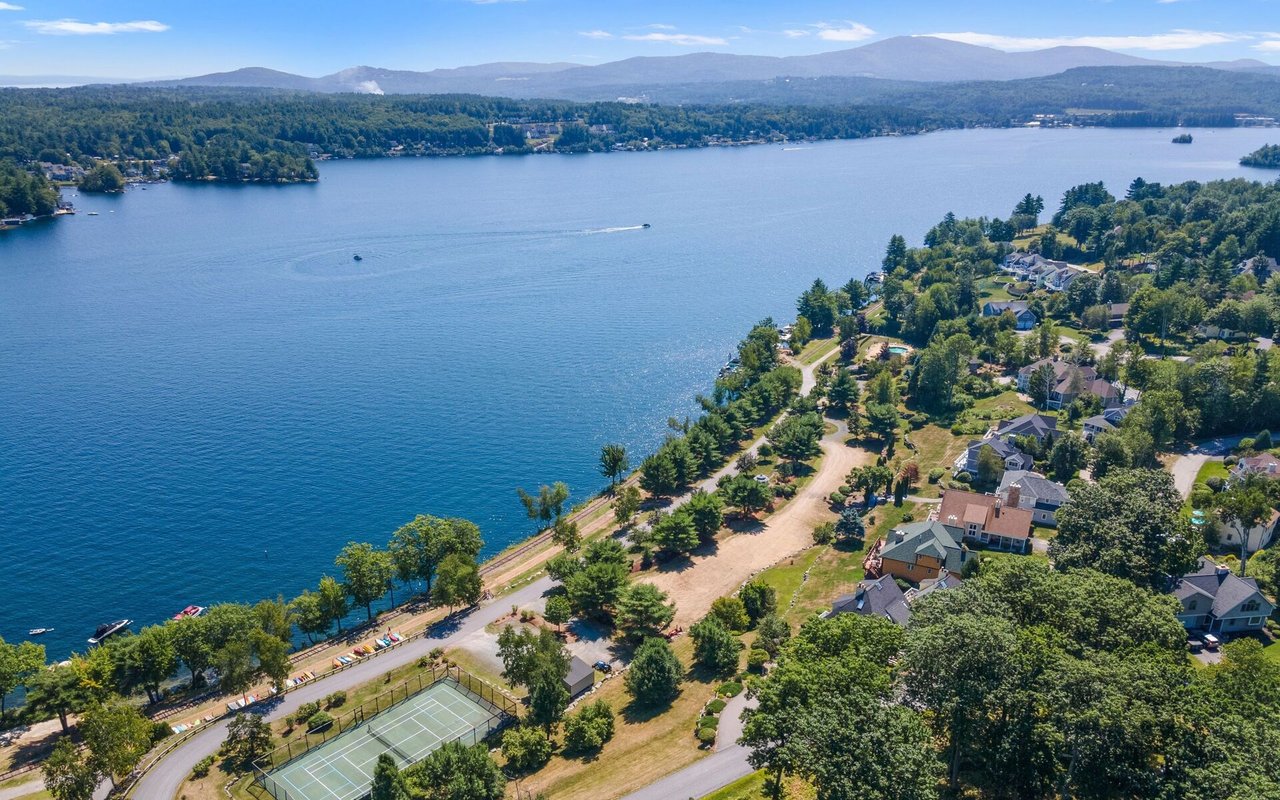
One piece of confusion that circulated online before launch turned out to be based on a map nobody had actually looked at. The district sits downtown, roughly a 15-minute drive from Weirs Beach. It has never applied there, and Motorcycle Week came and went without the open-container rules extending anywhere near the lakefront strip. The city drew that line on purpose, keeping its highest-traffic tourist corridor and the season's biggest crowd event entirely separate from the drinking district experiment.
That's a useful thing to know if you're the kind of Laconia resident who splits time between downtown errands and a summer evening at the Weirs. The rules genuinely don't travel with you. What you can do on Main Street on a Friday at 6 p.m. has no bearing on what's allowed once you're standing on the boardwalk at the Weirs.
Why Every City Around Us Is Watching This One
Laconia wasn't just first in New Hampshire. It beat every other city in New England to actually use the social district law, including Boston. A year after New Hampshire passed its version, Massachusetts Governor Maura Healey signed similar legislation, putting the Bay State roughly twelve months behind.
Closer to home, Concord took a noticeably more cautious path. City officials there looked at using their own Market Days festival as a test run for a social district, then backed off once they realized the ordinance would need to change first. Concord's current thinking leans toward smaller, event-specific districts rather than anything resembling Laconia's standing Thursday-through-Saturday setup. In other words, the state capital is treating Laconia's downtown as the pilot program before committing to its own version.
That makes the next few months more consequential than the district's quiet debut suggested. If the Pumpkin Festival goes the way Beattie expects, other Lakes Region and Merrimack Valley towns will have a working model to copy. If it doesn't, they'll have learned that lesson without spending a dime on it themselves.
What This Means for Your Next Few Trips Downtown
If you're heading to Main Street on an ordinary Thursday or Friday this August, expect exactly what you found last summer, just with the option to carry a drink between the restaurant and the next storefront if you want to. Nothing about the sidewalk experience has fundamentally shifted, and that's by design, not by accident.
Mark October 23 and 24 on your calendar if you want to see the actual test run. That weekend is when a policy that's spent its first season being unremarkable gets asked to do something harder, and when we'll finally know whether Laconia's bet on foot traffic pays off the way its mayor is hoping.
Laconia keeps finding small, specific ways to be first, and paying attention to how those experiments play out is part of what it means to actually live here. If you want that same kind of grounded, on-the-ground read applied to a property decision somewhere in the Lakes Region, The BRP Group is a good place to start that conversation. Let's Connect.