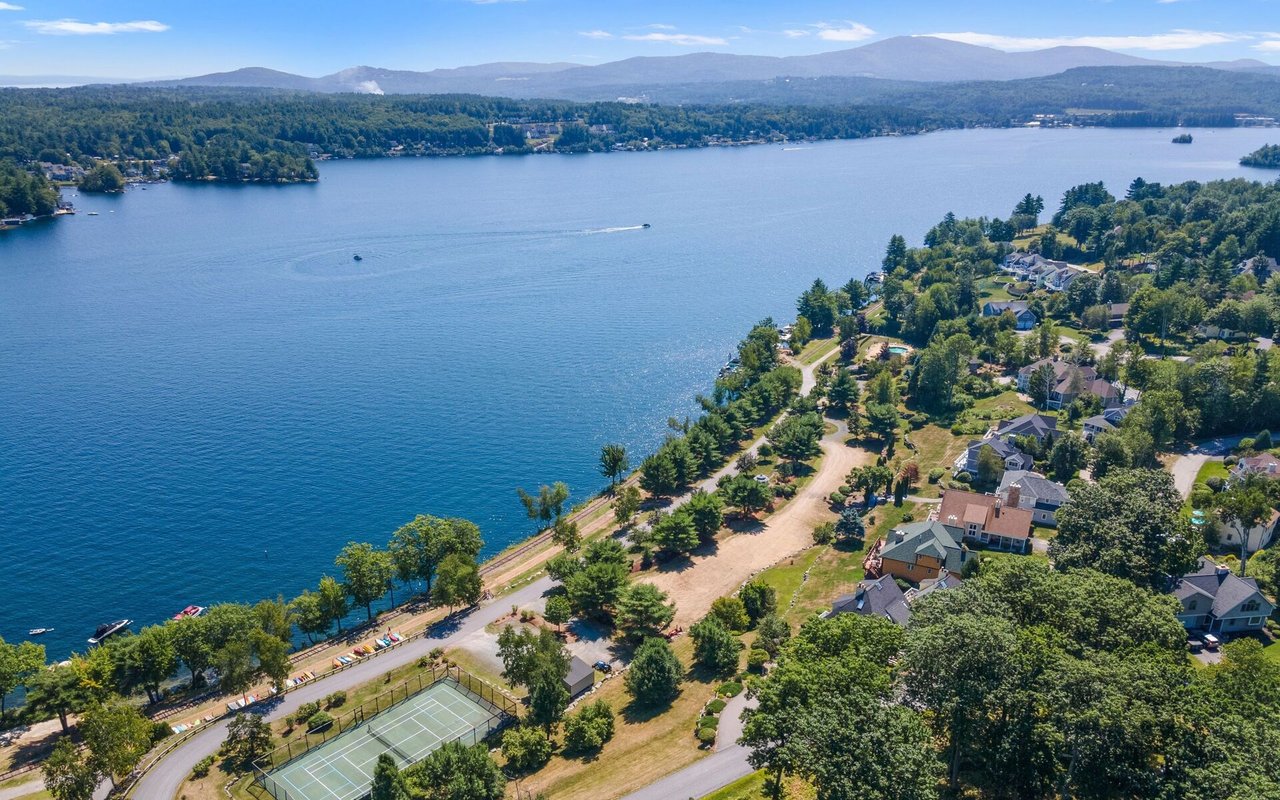
Every spring, the same phone call happens somewhere around Alton Bay. A seller has accepted an offer on a camp that's been in the family for decades. The buyer's evaluator comes out, checks the system, and flags it. Nobody panics, because everyone's heard that New Hampshire shifted this liability to the buyer back in 2024. What most people haven't heard is what happens next: the buyer now has 180 days to fix it, and so does every other buyer who closed on a lakefront camp that same month. On a bay this dense with old septic systems, that 180-day clock runs straight into a waiting list.
That's the part of this story that doesn't show up in the law itself. The regulation solved a liability question. It didn't solve a capacity question. And on Alton Bay specifically, capacity is the thing that actually decides whether a deal closes clean or drags into renegotiation.
What the Law Actually Says
As of September 1, 2024, New Hampshire requires a professional septic system evaluation before closing on any developed waterfront property where part of the septic system sits within 250 feet of the shoreland reference line, which is the legal edge of a protected lake, river, or tidal water. That threshold covers most of Alton Bay's shoreline, given how close these camps sit to the water. The NH Department of Environmental Services has been clear that this was a deliberate move to catch failing systems before they keep leaching into the lake.
The mechanics matter more than the headline. A licensed septic evaluator has to do the inspection, and per NH REALTORS, the buyer is the one who hires and pays for it, not the seller. If the system was approved before September 1989, or was never state-approved at all, the buyer also has to bring in a permitted septic designer to check the elevation of the disposal area against the seasonal high-water table. That's a detail worth sitting with if your camp predates that cutoff, because a lot of Alton Bay's shorefront camps do.
If the evaluation finds a system in failure, the sale doesn't stop. The buyer has 180 days after closing to repair or replace it. On paper, that reads like a clean handoff: the seller is out of it, the buyer owns the timeline.
Why Alton Bay Feels This Differently
Here's where the paperwork and the reality split. A local equipment rental analysis covering Alton points to old septic systems as the single biggest recurring reason contractors get booked on tight Alton Bay lots, tied to a ring of camp properties that have stood for generations and often carry systems well past their working life. That's not a one-time event. It's a rolling cycle through the camp community, year after year.
The same source notes that April is the booking window for May and June lakefront work, and that septic projects and dock work compete for the same mini excavators during the spring rush. Put those two facts next to the 180-day replacement clock and the friction becomes obvious. If a buyer's evaluation flags a failing system in April, the contractors who could fix it are already booked for May and June by the time the clock starts running. A repair that should take a few weeks can quietly eat two or three months of that 180-day deadline, just waiting for a machine to show up.
Alton Bay runs on two overlapping calendars, a working marina and boardwalk that fill up every summer, and a shoreline dense enough with aging camps that the same contractors booked for boat lifts and dock repairs are the ones a failing septic system has to wait behind.
That density is what makes Alton Bay different from a newer-built shoreline. It's not that the law hits harder here. It's that the physical bottleneck behind the law, the number of qualified evaluators, designers, and excavators who can work a tight lakefront lot, is smaller than the number of properties that need them.
What This Means If You're Pricing a Camp for Sale
Here's the calendar that actually governs an Alton Bay closing, based on what local contractors are telling equipment suppliers about their own booking patterns:
| Timeframe | What's happening on the bay | What it means for your deal |
|---|---|---|
| February to March | Contractors are filling their spring schedules | This is the window to get your own septic evaluation done, before a buyer's clock is even running |
| April | Booking window closes for May and June jobs | A buyer's 180-day clock that starts in April is competing with everyone else's spring queue |
| May to June | Septic and dock crews run at capacity | A system flagged in April may not get touched until July |
| July to August | Peak lake season | Boat traffic, guests, and marina activity make tight-lot access even harder |
If you're the one selling, the law technically means you can wait for the buyer's evaluator to find whatever they find. But if you already know your system predates 1989, or you've never had it inspected, getting ahead of that evaluation before you list does two things. It lets you price the property honestly instead of hoping the evaluation comes back clean, and it means if a replacement is needed, you're the one who got in the spring queue early instead of the buyer scrambling in June.
Cost estimates for a full septic replacement on a New Hampshire property vary by lot and system type, but a licensed engineering firm's own estimate puts a full septic replacement at somewhere between $6,000 and $30,000, with tight waterfront lots landing toward the higher end because a new installation can significantly change the landscape on a small parcel. That's a real number to build into your asking price if your camp's system is original.
Docks and Shoreland Paperwork Are Part of the Same Conversation
Septic isn't the only shoreland item buyers ask about. Winnipesaukee's size means many docks here qualify for permanent status rather than the seasonal-only rules that apply on smaller lakes, but that status depends on documented permits, not assumptions. If you've had shoreline work, a seawall, or dock modifications done over the years, pull the permits and inspection records together before you list. Buyers on this bay have gotten used to asking for them, and having the paperwork ready signals the same thing a clean septic report does: this camp has been maintained, not just enjoyed.
The state's Shoreland Bureau resources for realtors and the OneStop septic records portal are both public tools worth using before you ever put a sign in the yard. If your system's history isn't already documented somewhere, this is the fastest way to find out what a buyer's evaluator is about to tell you anyway.
A Few Questions Worth Answering Directly
Does this law apply if I'm selling vacant waterfront land instead of a camp? No. The requirement only applies to transfers of developed waterfront property, meaning there's an existing seasonal or year-round structure served by the septic system in question.
What if my camp's septic system was approved before 1989? The evaluation still happens, but a permitted septic designer also gets involved to determine whether the system's disposal area sits at a safe elevation relative to the seasonal high-water table. That's an extra step, and on Alton Bay's older camp stock, it's a common one.
Can the sale fall through if the evaluation finds a failing system? Not automatically. The law requires the buyer to repair or replace a failing system within 180 days of closing. It doesn't give either party grounds to cancel the transaction outright.
Whether you're sitting on a camp that's been in the family since before any of this regulation existed, or you're eyeing an Alton Bay property as your next move, the numbers only make sense once you understand the calendar behind them. That's the kind of detail I look at with every waterfront listing, because on a lake this busy, timing is as much a part of the deal as price.
If you're weighing a sale on Alton Bay, or trying to figure out what a camp like this is actually worth once you account for its septic history, The BRP Group is a good place to start that conversation. Let's Connect.